
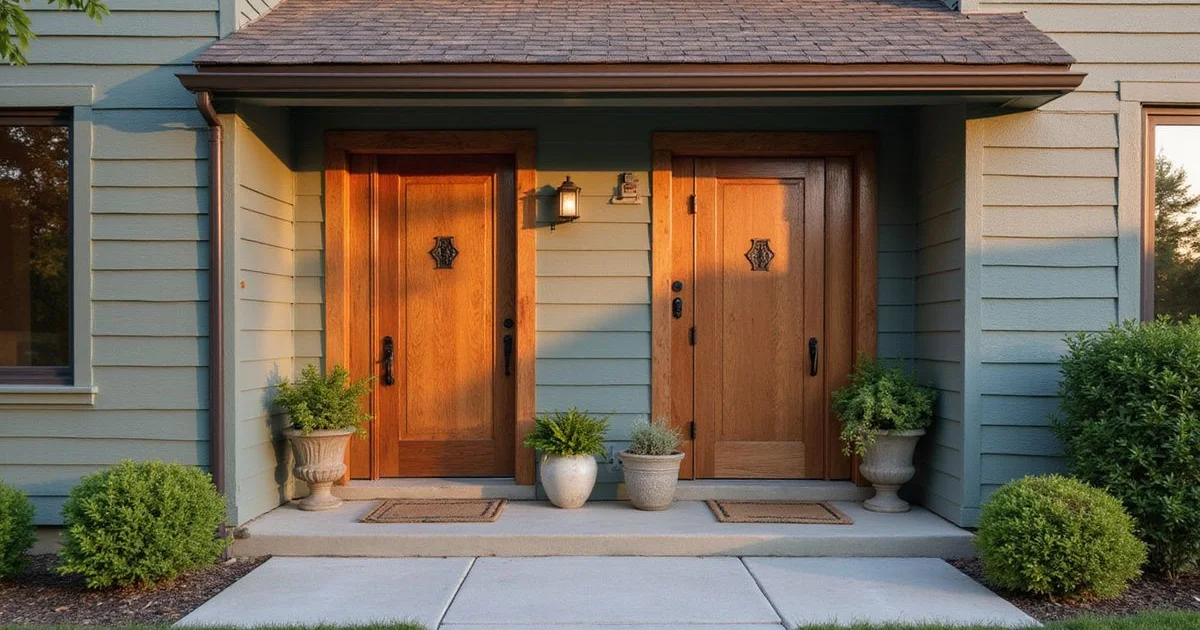
How to Sell a House With Tenants in Minnesota
We understand that you might hesitate to sell a house with tenants in Minnesota.
Many rental properties actually sell faster because buyers want immediate income.
Our Mankato real estate team helps homeowners capture top open-market value within a 30 to 90-day window. The secret to a smooth occupied sale is simply respecting the current lease terms.
We handle the delicate balance of giving proper showing notices and managing the lease transfer. This guide provides the basic steps to keep your property generating revenue while it is listed.
Our approach ensures you can explore rental and investor property sales with confidence.
A licensed attorney should always verify your specific legal obligations.
The Lease Generally Transfers to the Buyer
We always inform sellers that a property sale does not terminate an active lease in Minnesota. The buyer legally assumes the property subject to the existing lease terms.
Our experience shows that the new owner automatically becomes the tenant’s new landlord. Under Minnesota Statute 504B.178 subdivision 6, this transfer includes all previous landlord rights and obligations.
We remind sellers that this transition means a few specific things for the buyer. The tenant can typically stay until the lease ends under the same exact terms.
Our clients hand over rent collection duties to the buyer right after closing. The new owner takes over the legal obligation to return the security deposit.
We know that month-to-month tenancies offer more flexibility for ending the arrangement. Proper written notice can usually terminate these shorter agreements.
Our team strongly suggests consulting a legal professional before sending any official termination notices. Strict state rules dictate the exact timing required to end a month-to-month agreement legally.
Notice for Showings
We make sure sellers know that Minnesota law requires a 24-hour notice before entering an occupied rental. A 2023 update to state statutes strictly codified this 24-hour entry rule for property showings.
Our showing strategies always align with Minnesota Statute 504B. Your specific lease agreement might even require a longer notice period.
We build a practical showing plan to minimize disruption for the people living in the home. A structured approach keeps the current occupants cooperative, and our recommended showing plan includes these steps:
- Tell tenants early that the property will hit the market soon.
- We give written notice for each specific showing window.
- Group showings into set blocks to limit daily interruptions.
- Our agents respect privacy and avoid moving personal belongings.
- Thank tenants for their ongoing cooperation.

Occupied vs. Vacant: Trade-Offs
We help sellers compare the financial impact of selling an occupied home versus a vacant one. The right choice depends entirely on your target buyer pool and your timeline.
Our analysis shows that a tenant occupied sale often attracts investors who want immediate returns. A vacant home appeals directly to families who need to move in right away.
We use this comparison table to highlight the main differences. Review these factors before deciding on your listing strategy.
| Feature | Sell with tenants | Sell vacant |
|---|---|---|
| Buyer pool | Investors seeking immediate income | Owner-occupants and investors |
| Rent while listed | Monthly revenue continues | Monthly revenue stops |
| Showings | Requires strict notice coordination | Access is fast and easy |
| Presentation | Condition relies on the tenant | Can be thoroughly cleaned and staged |
| Timing | List the property any time | Must wait for the lease to expire |
Owner-occupant buyers often pay a premium for a vacant house they can customize immediately. Our investor clients actually prefer a leased property with a verified history of on-time payments.
Holding a vacant home costs you money every month in utilities and taxes. We constantly monitor these holding costs to protect your final profit margin.
Documents Buyers Will Want
We gather all lease documents and financial records before officially listing a rental property. Serious buyers require a complete paper trail to verify the income and expenses.
Our checklist includes the current lease agreements and any signed extensions. A detailed rent roll must show each unit’s payment amount and lease expiration date.
We organize the security deposit records to prove the funds exist. Buyers will also request these specific records:
- Our team provides the current rental license information for the city.
- Recent property inspection reports from local housing authorities.
- We source tenant estoppel certificates to verify the exact lease terms.
- At least 12 to 24 months of utility bills and property tax statements.
Our agents can explain how buyers value a duplex based on these exact financial figures. Signed estoppel certificates prevent tenants from claiming different rental terms after the closing date.

Security Deposits and Rent at Closing
We coordinate closely with the title company to handle all tenant funds properly at closing. State law dictates exactly how these deposits transfer to the new property owner.
Our closing process includes transferring or crediting all security deposits directly to the buyer. The title company prorates the rent for the specific month of the sale.
We ensure all prepaid rent gets accounted for on the final settlement statement. Under Minnesota Statute 504B.178, the buyer becomes the successor in interest for the deposit.
Our standard procedure involves notifying the tenant about the transferred deposit amount. The tenant then has 20 days to legally object to the stated deposit balance.
We write clear instructions into the purchase agreement to avoid any confusion at the closing table. This documentation protects you from future liability after the sale is complete.
Rental Licensing
We always verify local rental licensing requirements before putting a property on the market. Different cities enforce completely unique rules for transferring a license to a new owner.
Our South Central Minnesota listings often fall under specific regulations like North Mankato City Code Chapter 151. North Mankato requires the new owner to apply for a license transfer within 14 days of the purchase.
We inform potential buyers about these deadlines upfront to prevent compliance issues. Mankato operates its own independent rental licensing program with separate inspection requirements.
Our agents check the current status of your license to assure buyers the property is compliant. Expired licenses can easily delay a fast closing.
Working With Tenants
We recognize that the current occupants have a massive influence on the property’s presentation. A cooperative tenant who keeps the living spaces tidy adds real financial value to your listing.
Our most successful sellers often provide a small financial incentive for showing cooperation. You might offer a $50 rent credit for every successful showing that results in positive feedback.
We have also seen sellers offer a flat $500 cash bonus payable upon a successful closing. Clear and respectful communication builds the trust needed to make this arrangement work.
Our team handles these conversations delicately to protect your relationship with the renters. This proactive approach keeps the home looking sharp for every prospective buyer.
Communicating With Tenants
We know that tenants naturally worry about their housing stability when a property goes up for sale. A friendly conversation sets a positive tone and prevents unnecessary panic.
Our approach starts with explaining that their current lease remains valid after the transaction. Written communication is vital to establish a clear paper trail for fair housing compliance.
We recommend covering these specific points during your initial discussion:
- Share the complete showing schedule and explain the daily notice process.
- Our team asks the occupants about times that fit their daily routines.
- Offer the financial incentives for keeping the living spaces clean and presentable.
- We provide a direct contact number so they can reach out with questions.
- Follow up every verbal conversation with a quick written summary.
Our transparent communication strategy makes a noticeably better impression during private tours. Renters who feel respected will go out of their way to accommodate potential buyers.
If You Want to Sell Vacant
We help many owners plan a vacant sale to attract buyers who want to move in immediately. Waiting for a lease to end allows you to clean the property and stage the rooms perfectly.
Our financial analysis compares the higher vacant sale price against your lost rental income. A vacant property means you must pay the monthly mortgage and utility bills out of pocket.
We also remind sellers about the specific winter move-out rules in this state. Minnesota Statute 504B.155 requires tenants to give a three-day notice if vacating between November 15 and April 15.
Our agents factor this Cold Weather Notice into your final listing timeline. Calculating a net sheet reveals whether the occupied or vacant path yields a higher profit.
Month-to-Month Tenants
We guide sellers through the specific termination rules for month-to-month rental agreements. These flexible arrangements usually end easily with a proper written notice from the landlord.
Our legal contacts confirm that Minnesota Statute 504B.135 dictates this exact timeline. The required notice period must equal the interval between rent payments.
We see that this typically means providing one full rental period plus one additional day. A standard notice period usually takes between 30 and 60 days to complete.
Our team advises talking to a real estate attorney before sending any documents. An improper notice can delay your closing date and cause expensive legal headaches.
A Seller’s Checklist
We use a comprehensive checklist to keep occupied property sales on track. Missing a single step can disrupt the closing process or frustrate your current renters.
Our standard procedure ensures nothing falls through the cracks during the transition. You should complete these essential tasks before listing the home on the open market:
- We review every single lease for end dates and specific entry provisions.
- Confirm the exact security deposit amounts and verify where the funds sit.
- Our staff prepares a detailed rent roll and a complete expense summary.
- Check your local rental license status with the city government offices.
- We plan the showing schedule and finalize the 24-hour notice process.
- Calculate the 20-day window for tenants to object to the transferred deposit amount.
- Our team helps you decide whether to sell occupied or wait for vacancy.
The Bottom Line
We know you can successfully sell a house with tenants in Minnesota. The process simply requires respecting the lease and preparing your financial documents early.
Our focused approach builds a showing schedule completely around your tenants’ daily lives. Proper planning ensures the security deposits and prorated rent transfer smoothly at the closing table.
We actively market your property to both aggressive investors and eager owner-occupants. Contact our office today to discuss the best listing strategy for your specific timeline.

Realtor, Listing Agent, Coldwell Banker
Ryan Quade is a licensed Minnesota real estate salesperson with Coldwell Banker who has helped Mankato and South Central Minnesota homeowners sell for 20 years. He writes the Mankato Home Selling Guides on pricing, repairs, cash offers and estate sales for Sell My House Fast Mankato.
Credentials: Licensed Minnesota Real Estate Agent · Coldwell Banker affiliated agent