
Selling a House in a Flood Zone in Minnesota: The Minnesota and Blue Earth Rivers
We see a clear pattern when marketing properties near the Minnesota and Blue Earth Rivers. Buyers love the beautiful bluffs and trail access, but a home located inside a mapped flood area instantly raises questions about lending and insurance. That initial hesitation is perfectly normal.
Our team has found that sellers who prepare the right paperwork beforehand avoid costly delays.
Knowing your exact flood designation allows buyers to factor in insurance costs right from the start. We will walk through what selling a house in a flood zone in Minnesota requires, how to answer common buyer questions, and ways to prepare your property for the market. You can also consult our broader overview on selling your Mankato home for standard listing steps.
Why Flood Maps Matter for a Sale
Flood maps directly dictate whether a buyer must purchase mandatory flood insurance to secure a mortgage. Homes located within a Special Flood Hazard Area force buyers using federally backed loans to carry this extra monthly expense.
Our local market data indicates this additional cost directly impacts what buyers can afford to offer for your property. FEMA introduced updated preliminary flood maps for Nicollet and Blue Earth counties, affecting both Mankato and North Mankato properties.
These preliminary maps sometimes differ from the maps currently in effect, meaning some properties may shift designations once maps are finalized. We always recommend checking both sets of data to prevent a buyer from uncovering a surprise insurance requirement during underwriting.

How to Find Out Where Your Home Stands
You can determine your exact property status by checking the FEMA Flood Map Service Center and consulting with local city planners. Finding this information early gives you time to gather necessary documentation before listing.
Our listing specialists help clients gather these four critical pieces of information:
- Look up your address on the official FEMA Flood Map Service Center website.
- Ask the city. Mankato and North Mankato planning or engineering staff possess the most current details regarding any flood zone Mankato property.
- Find your elevation certificate, if one exists for your home. This document shows your lowest floor elevation relative to the base flood elevation, which drastically reduces insurance premiums for buyers.
- Check your insurance file. If you currently carry a National Flood Insurance Program policy, note the premium amount and any past claims.
Those documents form a solid foundation for your listing packet. We use these records to confidently answer buyer inquiries on day one.
What Buyers and Lenders Will Ask
Buyers and their lenders will primarily ask for proof of your flood zone status and the exact cost of required insurance. Providing clear, documented answers keeps the transaction moving smoothly toward closing.
Our team prepares a straightforward information packet to address these common concerns.
| Question | What Helps the Buyer Decide |
|---|---|
| Is the home in a mapped flood zone? | Official FEMA map printout and city confirmation letters. |
| Will flood insurance be required? | Mortgage lender regulations cross-referenced with the map. |
| What does the insurance cost? | Your current premium statement or a fresh quote showing average Minnesota rates around $958 annually. |
| Has the home flooded? | Your completed disclosure statement and property claims history. |
| What’s been done to reduce risk? | Receipts for yard grading, battery-backed sump pumps, and backflow valves. |
Having those answers ready prevents a buyer from walking away in the third week of a contract. We notice that buyers who understand the full financial picture upfront simply build the insurance cost into their initial offer.
Disclosure
Minnesota sellers must legally disclose any known material facts that could adversely and significantly affect a buyer’s use of the property. You must provide this written disclosure before the buyer signs a purchase agreement. Our standard practice is to help sellers fill out these forms completely to avoid future liability.
Under Minnesota Statutes 513.52 through 513.60, issues like past flooding, water in the basement, or a known flood zone designation require full transparency. Failing to report a known defect leaves sellers open to legal action for up to two years after closing.
We strongly advise reviewing the Minnesota seller disclosure requirements for specific details. Consulting a real estate attorney ensures you handle your unique situation correctly.
Pricing a Home in or Near a Flood Zone
Pricing a home in a flood zone requires analyzing recent sales of similar nearby properties that share the same flood designation. A specialized market analysis ensures the asking price reflects what buyers actually pay for homes carrying that extra insurance burden.
Our pricing strategy relies on hard data rather than guesswork. If flood insurance is required, the net sheet and the public marketing materials must address the cost directly.
In North Mankato, the August 2026 median home price reached $349,769, while roughly 46 percent of listings took a price cut based on recent Redfin data. We know that getting the starting price right matters immensely in these market conditions. An overpriced home with a flood designation will sit idle while buyers purchase competing properties without the added insurance overhead.
Steps to Take Before Listing
Gathering your property documents and verifying your current FEMA map status are the most critical steps before taking photos or listing the home. Completing this homework early ensures you attract confident buyers who are ready to move forward.
Our pre-listing checklist covers every detail required for properties near the river.
- Confirm your exact flood zone on both the current and preliminary fema flood map north mankato updates.
- Locate your elevation certificate, recent insurance premium statements, and any mitigation receipts.
- Document any past water events and professional repairs for your Minnesota disclosure statement.
- Request a fresh flood insurance quote so prospective buyers have an accurate financial reference.
- Price the property using recent comparables that share a similar flood risk status.
Completing these tasks eliminates the stressful surprises that typically derail real estate transactions. We present this complete package to interested buyers immediately after they tour the home.
Neighborhoods to Watch
Lower North Mankato along the levee and low-lying parts of Mankato near the rivers generate the most questions regarding flood risks. Homes situated higher up on the bluffs or located in Upper North Mankato generally avoid these specific zoning concerns.
Our local agents frequently field questions about properties near Belgrade Avenue. Buyers looking in these lower elevation zones will closely scrutinize foundation types and drainage systems.
Providing clear documentation gives them the confidence to submit strong offers on these unique properties. We invite you to explore the North Mankato area page to read more local market details.
Insurance Basics Buyers Will Want to Understand
Educating buyers on the difference between standard homeowners policies and separate flood coverage often saves the deal. Many buyers assume standard hazard insurance covers river flooding, but they actually need a dedicated policy.
Our preferred mortgage lenders happily explain these insurance requirements to prospective buyers. Flood coverage comes through the National Flood Insurance Program or private marketplace insurers. ValuePenguin reports that a typical NFIP policy in Minnesota averages roughly $958 per year as of 2026.
Why Some Buyers Choose Voluntary Coverage
We remind clients that premiums depend heavily on the home’s elevation, the foundation style, and the designated risk zone. Some buyers located just outside mapped high-risk areas purchase flood coverage voluntarily for peace of mind. A property sitting near the river valley naturally prompts extra caution from out-of-town buyers.
Our marketing highlights properties that sit on higher ground and have never experienced water issues. Sharing a clean history with records to back it up reassures buyers who feel nervous about living near the Minnesota River. An existing elevation certificate can make a substantial difference in securing a low insurance quote.
Mitigation Work Worth Documenting
Documenting any structural upgrades that reduce flood risk helps buyers secure better insurance rates and boosts your home’s value. You should compile a folder containing dates, permits, and paid receipts for all mitigation projects.
Our team creates a single-page summary of these improvements to leave out during open houses.
- Regrading the yard so surface water drains away from the foundation block.
- Extending exterior downspouts and cleaning gutters to prevent overflow.
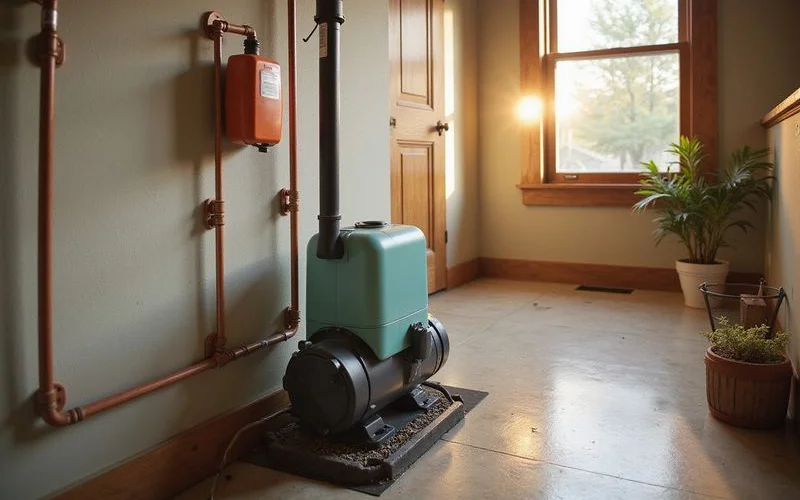
- Installing an upgraded sump pump paired with a reliable battery backup system.
- Adding a modern backflow valve on the main sewer line.
- Raising the basement furnace, water heater, and electrical panel off the concrete floor.
- Using water-resistant drywall or flooring materials in a finished basement space.
Buyers cannot easily see most of this protective work during a quick thirty-minute showing. We ensure the buyer’s insurance agent receives this list to help them generate the most competitive quote possible.
What Happens if the Maps Change
Properties may face new insurance requirements when preliminary FEMA maps finally become effective. Some homes will fall into higher-risk categories, while others might be mapped out of the hazard zone entirely.
Our agents closely monitor these municipal updates to keep sellers informed. If your property status is scheduled to change, you must speak with your insurance agent regarding the timeline.
Coverage purchased just before a map change becomes effective can occasionally carry lower, grandfathered pricing. We recommend asking city officials for the expected finalization date so you can share accurate timelines with buyers.
The Bottom Line
A mapped flood zone does not prevent a successful home sale.
Hidden surprises and missing documents are what actually cause buyers to cancel contracts. Knowing your map status, gathering necessary records, and pricing accurately from comparable sales keeps you in control. Our experts make selling a house in a flood zone in Minnesota a straightforward process.
Proper preparation handles buyer concerns before they ever become objections. We can help you look up your property details and build those answers into the listing today. Contact the team to receive a free market analysis and start preparing your river valley home for a successful sale.

Realtor, Listing Agent, Coldwell Banker
Ryan Quade is a licensed Minnesota real estate salesperson with Coldwell Banker who has helped Mankato and South Central Minnesota homeowners sell for 20 years. He writes the Mankato Home Selling Guides on pricing, repairs, cash offers and estate sales for Sell My House Fast Mankato.
Credentials: Licensed Minnesota Real Estate Agent · Coldwell Banker affiliated agent