

Should You Sell Before or After You Move?
We hear the same question from almost every transferring professional.
You have to decide if you will sell house before or after moving. This single choice dictates your finances, your daily stress, and your timeline.
We built this breakdown to compare both paths clearly. It is a core part of the relocation sales service our team provides for Mankato homeowners.
Option 1: Sell Before You Move
We often see homeowners choose this route to protect their financial stability. Selling your current property before packing up ensures you know exactly how much equity you have for your next purchase.
Pros:
- One housing payment. You avoid the crushing cost of a bridge loan. Average bridge loan rates in 2026 are sitting between 10% and 12%, making short-term financing very expensive.
- A warmer showing. A lived-in, lightly staged home helps buyers visualize the space better than bare walls.
- Proceeds in hand. You can confidently write non-contingent offers on your next house.
- Easy access. You are immediately available to let in appraisers, inspectors, and repair contractors.
Cons:
- Showings while you live there. You have to maintain a spotless house and leave on short notice.
- Possible double move. You might need to sign a short-term lease if your home sells faster than expected.
- Timing pressure. Starting a new job is stressful enough without managing a live listing.
A short rent-back after closing can bridge the gap perfectly. You officially sell the house, collect the cash, and rent it back from the new owner for a few weeks.
Option 2: Move First, Then Sell
Our clients who prioritize a fast relocation usually prefer to move out completely before listing. An empty house allows buyers to tour the property at any time. You can start your new role without worrying about making the beds every morning.
Pros:
- One move. You pack up the truck and go straight to your new city.
- Easy showings. Buyers and agents have unrestricted access to the property.
- Total freedom. You can focus completely on your new job and community.
Cons:
- Two housing payments. You have to pay the old mortgage and the new rent or mortgage simultaneously.
- Vacant-home risks. Empty houses face threats from frozen pipes, undetected leaks, and vandalism. Learn more about selling a vacant house in winter in Minnesota.
- Insurance spikes. Standard homeowners policies often void coverage after 30 days of vacancy. Specialized vacant home insurance costs 50% to 150% more than a standard policy.
- Cold presentation. Empty rooms look smaller online, so you might need to hire a professional staging company.
- Distance management. Handling repairs from afar requires a highly trusted local real estate agent.
To mitigate vacant property risks, install a smart thermostat like an Ecobee or Google Nest. These devices send instant alerts to your phone if the indoor temperature drops to a dangerous level, helping you prevent frozen pipes.
Side by Side
We created this quick comparison to highlight the biggest differences. Reviewing these factors side by side helps clarify which compromises you are willing to make.
| Factor | Sell first | Move first |
|---|---|---|
| Housing payments | One | Two until sold |
| Showings | While living there | Easy, vacant |
| Presentation | Furnished, warmer | Needs light staging |
| Moves | Possibly two | One |
| Proceeds for next home | Available | Delayed |
| Vacant-home risk | None | Yes, especially in winter |
Employer Relocation Packages
Corporate assistance changes the math entirely. The average 2026 relocation package for a homeowner costs the employer between $30,000 and $75,000. This massive benefit exists to remove the friction of moving so you can start working immediately.
If your employer offers a relocation package, read the fine print immediately. Common benefits often cover:
- Closing costs. The company might pay the real estate commissions and title fees on your sale.
- Temporary housing. You might get 30 to 60 days in a fully furnished corporate apartment.
- Moving expenses. A full-service van line will pack, ship, and unload your household goods.
- Guaranteed buyout. A third-party relocation firm agrees to buy your house if it does not sell within a specific timeframe.
We strongly advise sharing these documents with your listing agent right away. Many programs, especially a Buyer Value Option (BVO), require specific wording on the settlement statement for reimbursement. A BVO program routes the sale through the corporate relocation company. This structure prevents the IRS from taxing your reimbursed real estate commissions as regular income.
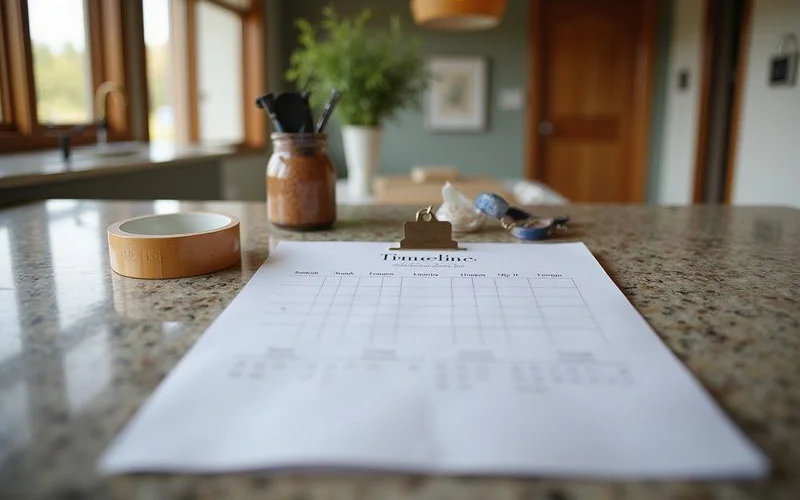
A Timeline Worksheet
Work backward from your key dates to build a realistic schedule.
| Date | Your answer |
|---|---|
| New job start date | |
| Date you need to be living in the new location | |
| Date you need sale proceeds (if buying) | |
| Ideal closing date for the current home | |
| Accepted offer target (30 to 45 days before closing) | |
| Listing date target (about 4 weeks before offer) | |
| Prep and photos (1 to 4 weeks before listing) |
Mankato’s median days on market was 28 in August 2026 according to Redfin. Closing with a financed buyer typically adds another 30 to 45 days to the process. You need to build a generous cushion into your calendar.

If You’re Also Buying
Purchasing a new property while selling your old one creates a complicated financial puzzle. You have to coordinate two major transactions across different markets.
Your options for a two mortgages relocation scenario include a home sale contingency, same-day closings, bridge financing, or a rent-back. A contingency protects you but makes your purchase offer less competitive. Bridge loans provide fast cash, but the 10% to 12% interest rates eat into your profits quickly. Read how to sell and buy a house at the same time in Minnesota for a deeper look at these strategies.
Questions to Ask Yourself
Before making a final choice, sit down and review your personal limits. Honest answers to these questions will reveal the best path forward.
- Can I afford two housing payments, and for how long?
- How hard would it be to keep the home show-ready while living there?
- Do I need the proceeds for my next down payment?
- What exact costs does my corporate relocation package cover?
- Will the home sit vacant during the freezing Minnesota winter?
Making a Lived-In Home Easy to Show
We know that living in a staged house feels unnatural. You can reduce the daily friction by setting up a few smart systems.
- Declutter early. Rent a 10x10 storage unit for about $100 a month to hide seasonal gear and bulky furniture. You are going to move it anyway, so pack it up now.
- Keep a quick-clean routine. Spend ten minutes before every showing putting dishes away, making beds, and wiping counters.
- Plan for pets. Secure your dogs or cats in a crate, or take them for a drive.
- Group showings. Ask your agent to block out specific viewing windows so your evenings remain predictable.
- Store valuables securely. Lock up prescription medications, jewelry, and financial documents in a small safe.
These small habits preserve your sanity while keeping the property highly presentable.
Making a Vacant Home Feel Like Home
An empty house often sends a subconscious signal that the seller is desperate. Buyers might submit lowball offers if they think you are bleeding cash.
Our best advice is to arrange light staging for the primary rooms. Leaving a sofa, a dining table, and a few rugs makes the space feel inviting. A professional staging consultation usually costs around $300 to $600 and pays for itself by preventing low offers.
You also need to maintain the property’s exterior. Hire a local service to keep the driveway shoveled and the lawn mowed. A vacant house that looks cared for sells significantly faster than a neglected one. Install mechanical timers on your living room lamps so the house glows warmly during evening drive-bys.
Rent-Back Basics
A rent-back agreement flips the script on a traditional closing. Also known as a post-closing occupancy agreement, this legal document lets you stay in the home after the buyer officially takes ownership.
The terms cover your length of stay, the daily rental rate, and utility responsibilities. The buyer will typically withhold a security deposit in escrow. This deposit often equals one month of rent or 1% to 2% of the purchase price, and you get it back after moving out.
Your real estate agent negotiates these details directly into the purchase agreement. The title company handles the paperwork and holds the deposit. Short rent-backs are extremely common and offer the perfect middle ground for a relocation timing home sale.
The Bottom Line
The decision to sell house before or after moving comes down to your personal risk tolerance.
Selling first keeps your finances secure while moving first introduces carrying costs and vacancy risks. Ryan can map out both scenarios on a detailed net sheet to reveal your exact holding costs and bridge loan interest.
Reach out to our team today to get your custom timeline started.

Realtor, Listing Agent, Coldwell Banker
Ryan Quade is a licensed Minnesota real estate salesperson with Coldwell Banker who has helped Mankato and South Central Minnesota homeowners sell for 20 years. He writes the Mankato Home Selling Guides on pricing, repairs, cash offers and estate sales for Sell My House Fast Mankato.
Credentials: Licensed Minnesota Real Estate Agent · Coldwell Banker affiliated agent