
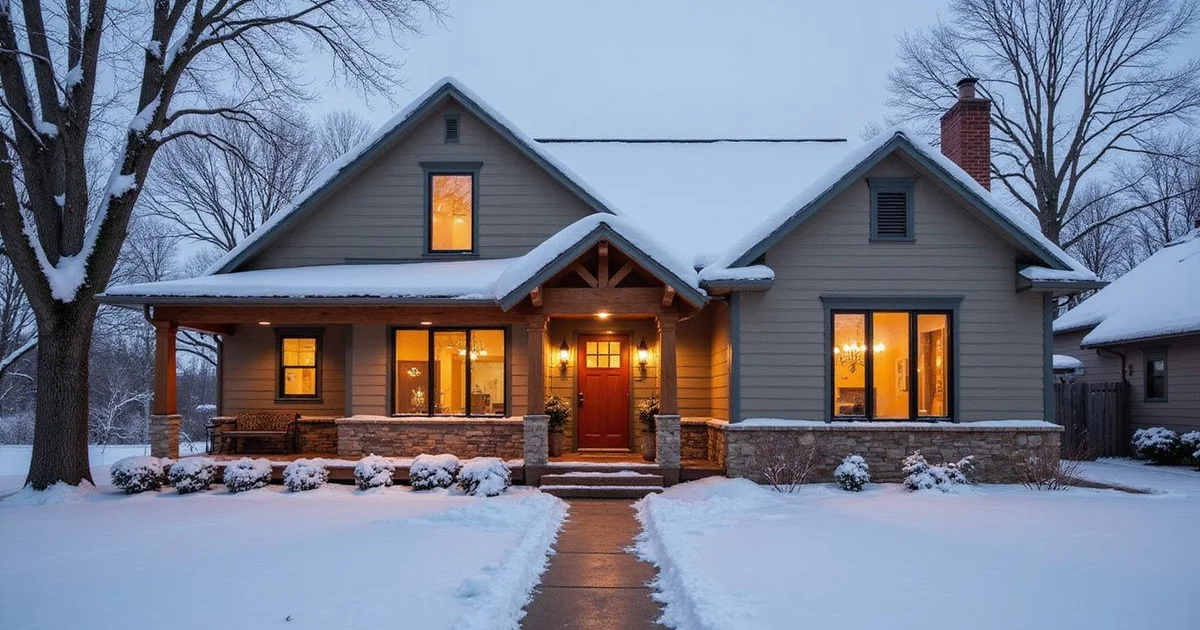
Selling a Vacant House in Winter Minnesota
Selling a vacant house in winter Minnesota style means preparing for brutal cold. You already know how quickly a property can deteriorate when the temperature drops.
We help Mankato and South Central Minnesota homeowners sell on the open market for the highest price the home can bring, in a timeline that fits their schedule.
An empty house during these months demands serious attention because minor issues rapidly turn into expensive disasters. Our strategy ensures a vacant property performs well from December through March.
This guide covers heat and freeze protection, vacancy insurance, snow removal for showings, and staging an empty house. We include these steps as part of Ryan’s relocation sales service for sellers who have already moved.
Heat and Freeze Protection
The biggest risk to a vacant winter home is frozen pipes. A burst pipe in an empty house can run for days before anyone notices, and QuoteFlow Marketing reports the average water damage claim in 2026 reached roughly $14,000. Our recommendation is to take immediate preventative action to winterize a vacant house.
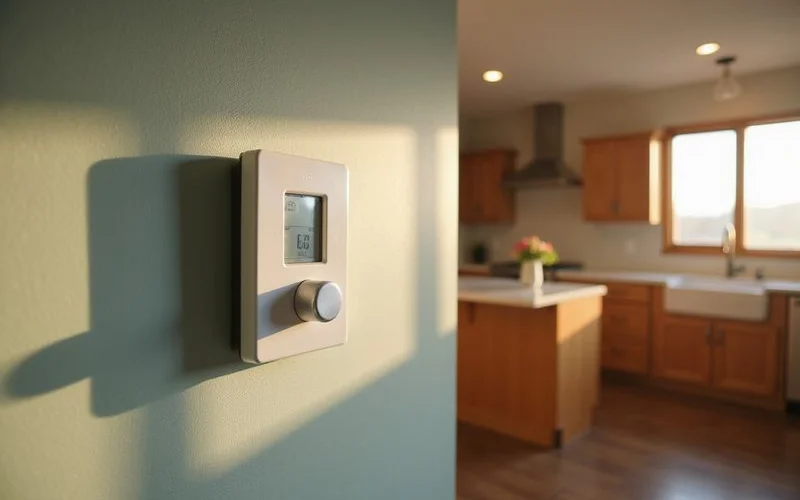
- Keep the heat on. Many owners set the thermostat around 55 to 60 degrees Fahrenheit. Check your specific insurer requirement.
- Consider shutting off the water and draining the lines. If the home uses a boiler or other water-based heating, talk to a plumber first.
- Open cabinet doors under sinks on exterior walls so warm air reaches the pipes.
- Use a smart thermostat or temperature alert so you know if the heat fails. Devices like the Google Nest or Ecobee send push notifications straight to your phone if the internal temperature drops dangerously low.
- Install an automatic shutoff valve. We suggest looking into whole-home systems like the Moen Flo or Phyn Plus, which detect leaks and automatically cut the water supply.
- Check the furnace. A service visit before winter reduces surprises. Replace the filter.
- Arrange regular checks. Someone should walk through the house on a schedule, especially after cold snaps and storms.
Vacancy Insurance Questions
Many standard homeowner policies, like the common HO-3 form, change significantly after a home has been vacant for a set period. Coverage for vandalism, malicious mischief, and glass breakage is typically dropped after 30 or 60 consecutive days. We advise calling your insurer before you leave to ask a few specific questions about vacant home insurance Minnesota policies.
- How long can the home be vacant before coverage changes?
- What conditions apply, such as minimum heat or regular inspections?
- Do I need a vacancy endorsement or a separate vacant home policy?
- What documentation do you need if there is a claim?
Write down the answers and share them with your agent. Our team always reminds clients that failing to secure proper vacancy coverage can lead to denied claims. This small administrative step protects your asset during a vulnerable time.
Snow Removal for Showings
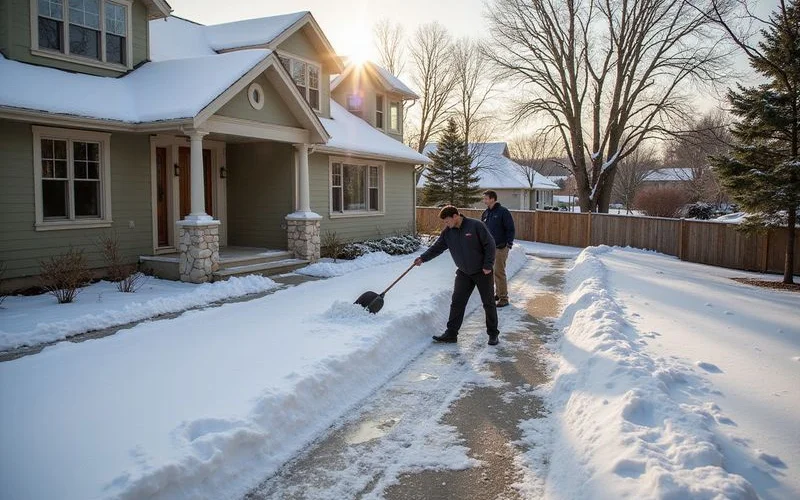
Buyers judge a home from the curb, making snow removal critical for both safety and first impressions. A snowed-in driveway and an icy walk make a vacant home look neglected. We know that in Mankato, local city ordinances require owners to clear public sidewalks within 24 hours after a snowfall stops. Failing to comply can result in fines and creates a massive slip hazard for potential buyers.
- Hire a snow removal service for the driveway, walks, and steps, triggered automatically by any snowfall.
- Use effective ice melt. We recommend calcium chloride instead of standard rock salt, as it works better in sub-zero Minnesota temperatures and is gentler on concrete.
- Clear the mailbox and house number so buyers can find the home easily.
- Check for ice dams on the roof and remove dangerous icicles over entries.
Ryan can coordinate snow removal so the home is always ready to show.
Staging an Empty House
Empty rooms often feel cold and unwelcoming, especially in winter. A strategic approach to minimal staging helps warm up the space and gives buyers a sense of scale. We see vacant homes sit longer on the market when they lack basic cozy elements.
- Light it up. Turn on every light for showings, or use Kasa smart plugs and Philips Hue bulbs to control lighting remotely. Add lamps in dark rooms.
- Focus on warmth. Keep the heat comfortable during showings.
- Bring in a few pieces of furniture. A sofa, a table, and a bed help buyers understand room dimensions.
- Include soft touches. Rugs, a throw blanket, or a healthy indoor plant soften the harsh edges of empty rooms.
- Clean thoroughly. Dust and dead insects show up glaringly in empty homes.
- Add a heavy-duty boot tray. We suggest placing a Gorilla Grip mat at the entry to catch slush from winter boots during showings.
Photos in Winter
High-quality photos are essential, and timing your shoot around the best winter light makes a massive difference. If you have exterior photos from before the snow, use them as your primary shots. Our preferred strategy is to shoot interiors on a bright day between 11 AM and 2 PM when natural light is strongest.
Show off seasonal features like a cozy fireplace or a heated garage. We often use digital editing tools like Photoshop to add a subtle, realistic fire to fireplace photos for extra warmth. For more details on timing your listing, see our guide on selling in winter vs. spring in Mankato.
A Vacant Winter Home Checklist
Consistency is the secret to managing an unoccupied property safely. A structured routine prevents minor issues from escalating into major repair bills. We developed this checklist to help sellers stay organized throughout the coldest months.
| Task | Frequency |
|---|---|
| Walk-through check | Weekly and after storms or cold snaps |
| Thermostat and furnace check | Each visit (Verify Nest or Ecobee app) |
| Look for leaks and ice dams | Each visit (Check Moen Flo app alerts) |
| Snow removal | After each snowfall (Within 24 hours per Mankato ordinance) |
| Mail and packages cleared | Weekly |
| Lights on timers | Ongoing (Verify Kasa smart plug schedules) |
Costs to Plan For
Carrying an empty house during winter includes specific holding costs that eat into your profit. Heating, snow removal, insurance changes, and regular property checks all add up quickly. Our team ensures these expenses belong right on your net sheet for clear financial planning.
Minnesota winter utility bills easily average $200 to $300 a month just to keep an empty house warm enough to prevent freezing. If carrying costs are high, pricing the property to sell quickly usually nets you more cash than waiting for spring. We always run a comparative net sheet to show sellers exactly what a 90-day winter hold costs versus an immediate sale.
What Can Go Wrong, and How to Prevent It
Proactive prevention is much cheaper than emergency remediation. A single unnoticed problem can delay or completely derail a sale if discovered during a buyer’s inspection. We highly recommend reviewing this troubleshooting table before handing over the keys.
| Problem | Prevention |
|---|---|
| Frozen and burst pipes | Heat on, water off, Moen Flo monitor installed, regular checks |
| Furnace failure | Professional service before winter, Google Nest temperature alerts |
| Ice dams and roof leaks | Clean gutters before freezing, check after storms, remove dangerous icicles safely |
| Unnoticed water damage | Govee or YoLink floor water sensors, regular walk-throughs |
| Break-ins or vandalism | Philips Hue lights on smart timers, shoveled walks, mail collected |
| Insurance gaps | Securing a vacancy endorsement or specialized vacant home policy |
Pricing a Vacant Winter Home
Carrying costs on a vacant home accumulate much faster in winter because of constant heating, snow removal, and specialized insurance. That financial pressure makes accurate, competitive pricing incredibly important from day one. Our goal is always to secure full market value within a 30 to 90-day window.
A home priced accurately based on current comparable sales is significantly more likely to sell before the coldest months stretch into spring. High Days on Market (DOM) metrics during winter often lead to lowball offers from buyers who assume you are desperate. We advise comparing a net sheet for listing now versus waiting for spring, factoring in all those accumulating carrying costs.
The Bottom Line
When selling a vacant house in winter Minnesota, a warm, safe, and well-lit property performs best. Protect the pipes, sort out your insurance policy, keep the snow cleared, and add a little staging to create a welcoming atmosphere.
Ryan coordinates property checks, local vendors, and snow removal for sellers who have already moved. You are not stuck managing a cold house from far away.
We handle the local details so you can focus on your new destination. Contact us today to discuss your timeline and get a personalized net sheet.

Realtor, Listing Agent, Coldwell Banker
Ryan Quade is a licensed Minnesota real estate salesperson with Coldwell Banker who has helped Mankato and South Central Minnesota homeowners sell for 20 years. He writes the Mankato Home Selling Guides on pricing, repairs, cash offers and estate sales for Sell My House Fast Mankato.
Credentials: Licensed Minnesota Real Estate Agent · Coldwell Banker affiliated agent