

The Sale Sequence For Selling a House During Probate Minnesota
We know that managing an estate property sale is rarely just about listing a house. The paperwork and legal rules add extra hurdles that most sellers never see.
Those extra steps often involve proving authority and protecting a vacant asset.
Our team helps personal representatives manage the real estate side through inherited and estate home sales, working alongside the estate’s attorney. For anyone selling a house during probate Minnesota has a specific legal sequence. This guide breaks down the process from court appointment to closing.
Step 1: The Personal Representative Is Appointed
The court officially appoints a personal representative to lead the estate. This step grants you the legal power to sign a listing or purchase agreement.
We frequently see families delay this step, but nothing can happen until the judge signs the order. Under the Minnesota Uniform Probate Code, the court issues documents that prove your authority: Letters Testamentary if there is a will, or Letters of General Administration if the person died intestate.
For Mankato homes, cases typically go through Blue Earth County court, while Nicollet County handles North Mankato and St. Peter. Our advice is to start this paperwork immediately. If you are unsure whether probate is even required, read do you need probate to sell an inherited house in Minnesota.
Step 2: Secure and Insure the Home
A vacant property faces immediate risks, especially during a harsh Minnesota winter. Your top priority as the personal representative is protecting the asset.
We always advise clients to check the insurance policy on day one. Standard homeowner policies often void coverage after a home sits empty for 30 to 60 days. A specialized vacant home insurance policy prevents a total coverage lapse. This specialized coverage typically costs 50% to 60% more, but it is absolutely essential for protecting the estate.
The early tasks should include a few specific actions:
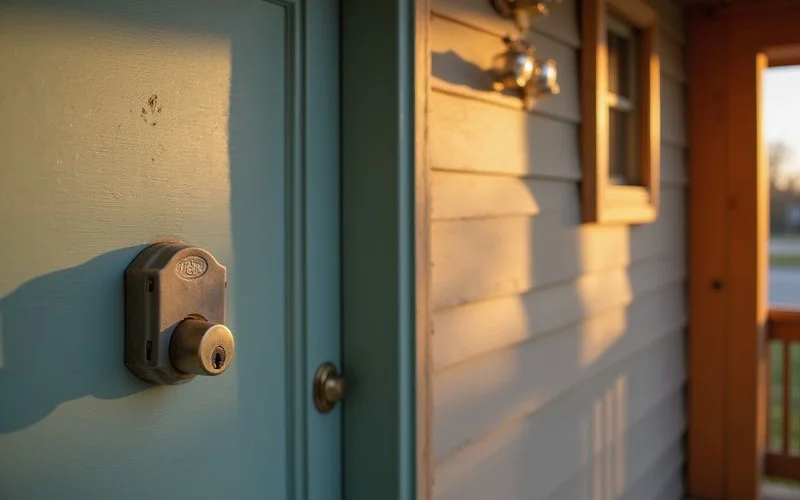
- Locks and keys. Determine who has access and change the exterior locks immediately.
- Utilities and climate. Keep the heat on and protect water pipes against freezing.
- Insurance. Call the current insurer to arrange vacant property coverage.
- Regular checks. Schedule weekly walkthroughs to catch issues like leaks or break-ins.
- Mail and bills. Redirect the mail while tracking property taxes, utilities, and the mortgage.
Step 3: Clean-Out and Prep
Buyers struggle to see past a house filled with decades of personal belongings. Clearing out the property makes the home feel larger and more inviting.
We often recommend hiring professionals to hold an estate sale or auction. The remaining items can go to charity before a final deep clean. See estate clean-out before selling for timing and disposal options.
A short repair walkthrough helps you decide what actually needs fixing. Many Mankato estate homes are structurally solid but feature 17 to 20-year-old cosmetic details. Our strategy usually involves pricing the home to reflect its dated condition rather than doing massive renovations. New paint and fresh carpets offer the best return on investment.
Step 4: Valuation
A written Comparative Market Analysis establishes the accurate list price for the open market. This data-driven report relies on recent, comparable sales in your specific neighborhood.
We provide this analysis to help families and attorneys understand the current market value. The IRS also requires a “date of death” valuation to determine the stepped-up tax basis.
A verified Date of Death valuation can save heirs thousands of dollars in capital gains taxes.
In some situations, the estate attorney or CPA will recommend a formal appraisal instead of a standard market analysis. A licensed appraiser provides a court-defensible document if family disputes arise. See CMA vs. appraisal for a detailed comparison.
Our team can review both options with you to find the right fit.
Step 5: Listing
The personal representative signs the listing agreement once the court issues the letters of authority. The formal market launch follows the exact same process as a traditional real estate transaction.
We list the property on the NorthstarMLS to ensure maximum buyer exposure. The Mankato market remains active in 2026, with well-priced homes moving quickly. Recent Redfin data shows that the median time on market in Mankato sits right around 28 days.
Supervised probate cases might require extra court approval before the property goes live. The estate attorney will confirm your specific legal requirements. Our marketing approach highlights the property’s potential through professional photography and targeted digital campaigns.
Step 6: Disclosure Questions
Minnesota property disclosure rules apply differently when an estate is selling the home. A personal representative who never lived in the house often knows very little about its history.
We guide you through the specific exemptions that apply to probate sales. Estates are sometimes exempt from completing the full Seller’s Property Disclosure Statement. However, federal and state laws still mandate disclosures for known material facts, lead-based paint, and well or septic systems.
You must still provide documentation if the property has an active well or a private sewer system. The estate attorney will confirm exactly what paperwork is legally required. Our agents help gather past repair records, permits, or old test results found inside the home. Having these documents ready speeds up buyer negotiations.
Step 7: Offers and the Purchase Agreement
When offers arrive, the personal representative reviews the terms alongside the real estate agent. Price is important, but closing dates and financing contingencies matter just as much.
We carefully evaluate every purchase agreement to protect the estate from unreasonable buyer demands. Estate sales frequently include an “as-is” addendum. This specific language confirms that the estate will not pay for any major repairs after the home inspection.
Buyers usually request a 10 to 14-day inspection contingency window, and radon testing is a routine part of this process in Minnesota. Our agents coordinate with the estate attorney to ensure the contract accurately reflects your legal authority. Clear communication prevents delays during the final underwriting phase.
Step 8: Closing With a Personal Representative’s Deed
At closing, the personal representative signs a specific deed to transfer the home to the new buyer. The title company requires a certified copy of the court letters to verify your signing authority.
We prepare our clients for the various fees deducted from the final sale proceeds. The mortgage balance, property taxes, and real estate commissions are all paid directly at the closing table.
Minnesota also collects a state deed tax when the transfer is recorded. This deed tax costs 0.33% of the net consideration, which equals $1.65 for every $500 of the sale price.
The seller bears the legal obligation to pay the Minnesota deed tax at closing.

Our closing coordinators work directly with the title company to ensure all documents are accurate. The actual closing appointment usually takes less than an hour.
Step 9: Proceeds to the Estate
The net sale proceeds must go directly into a dedicated estate bank account. Funds cannot be deposited into the personal representative’s private checking account.
We remind executors that these funds are meant to settle the estate’s remaining obligations. The attorney will guide you on paying valid creditor claims, final utility bills, and probate costs. Only after settling these debts can the remaining money be distributed to the legal heirs.
Once the administration is complete, you file an “Unsupervised Personal Representative’s Statement to Close Estate”. This final document officially closes the informal probate case with the district court. Our agents provide final closing statements to the attorney for accurate estate accounting.
Timeline Overview
Selling an estate property involves multiple phases that dictate the overall timeline. The initial court appointment often takes the longest amount of time.
We created this quick reference table to show who leads each specific stage.
| Stage | Who leads | Notes |
|---|---|---|
| Appointment and letters | Attorney | Timeline varies heavily based on court backlog |
| Secure, insure, check | PR with help | Start right away to avoid insurance lapses |
| Clean-out | Family and vendors | Often takes a few weeks to organize |
| CMA and listing | PR and agent | Must happen after court letters are issued |
| Market time | Agent | Mankato median is roughly 28 days (Redfin, 2026) |
| Closing | Title company | Usually 30 to 45 days after accepting an offer |
A clear timeline helps you set realistic expectations for the family. Preparing the house quickly means you can take advantage of prime selling seasons. Our local market data provides a strong baseline for your planning.
Working With an Out-of-State PR
Many personal representatives live far away from the Mankato area. Managing a vacant property from hundreds of miles away is incredibly stressful.
We act as your local boots on the ground to make the process completely smooth. A dedicated agent handles the keys, coordinates with local vendors, and manages all the property showings. You will receive consistent updates via phone calls, text messages, or video tours.
When it comes time to finalize the sale, you do not need to travel back to Minnesota. We coordinate a mail-away closing or an electronic remote online notarization (RON). See selling an inherited house from out of state for more details. The main goal is to save you the expense and hassle of repeated flights.
Common Questions From Personal Representatives
Do I need to fix anything? Not necessarily. Many estates sell completely as-is with a very short list of required repairs. We use the initial walkthrough to sort potential projects into three categories: do it, price it in, or skip it.
Can I accept an offer without the heirs’ approval? The personal representative holds the legal authority to sign the contract. However, consulting the heirs is a very common practice to prevent future disputes. The estate attorney can advise on what the law requires versus what is practically wise.
What if an heir wants to buy the house? A family purchase is entirely possible during a probate scenario. A formal Comparative Market Analysis or a licensed appraisal helps establish a fair purchase price. The attorney will handle the specialized transfer documents.
What about the mortgage? Keep the monthly payments current if the estate has the cash flow. You should contact the lender immediately if funds are tight. The remaining loan balance is automatically paid off from the final proceeds at closing.
Who pays for utilities and insurance during the sale? The estate itself is responsible for carrying these costs. Keep every single receipt for the estate’s final accounting records.
Supervised vs. Unsupervised Probate
Minnesota allows both supervised and unsupervised probate proceedings. The vast majority of estate cases in the state proceed through the unsupervised path.
We find that unsupervised probate is generally faster and less expensive. The personal representative can usually sell the real estate without getting separate court approval for the specific transaction. The informal process typically wraps up within 6 to 12 months.
In a supervised probate case, the court stays heavily involved in major decisions, and you will likely need a judge to approve the property sale. Our team communicates constantly with your attorney to ensure the correct legal path is followed. The attorney will explain any extra steps required for a supervised transaction.
The Bottom Line
When selling a house during probate Minnesota residents face a few extra legal steps. Those steps focus on proving authority, protecting the asset, and filing the correct closing documents.
The estate attorney manages the court filings and the legal framework.
We handle the physical house, the market listing, and the final sale negotiations. Working together ensures that the personal representative stays informed and protected at every turn.
Our local market knowledge helps homeowners with equity get full market value within a 30 to 90-day timeline. Contact us today to schedule a walkthrough and start planning your estate sale.

Realtor, Listing Agent, Coldwell Banker
Ryan Quade is a licensed Minnesota real estate salesperson with Coldwell Banker who has helped Mankato and South Central Minnesota homeowners sell for 20 years. He writes the Mankato Home Selling Guides on pricing, repairs, cash offers and estate sales for Sell My House Fast Mankato.
Credentials: Licensed Minnesota Real Estate Agent · Coldwell Banker affiliated agent