
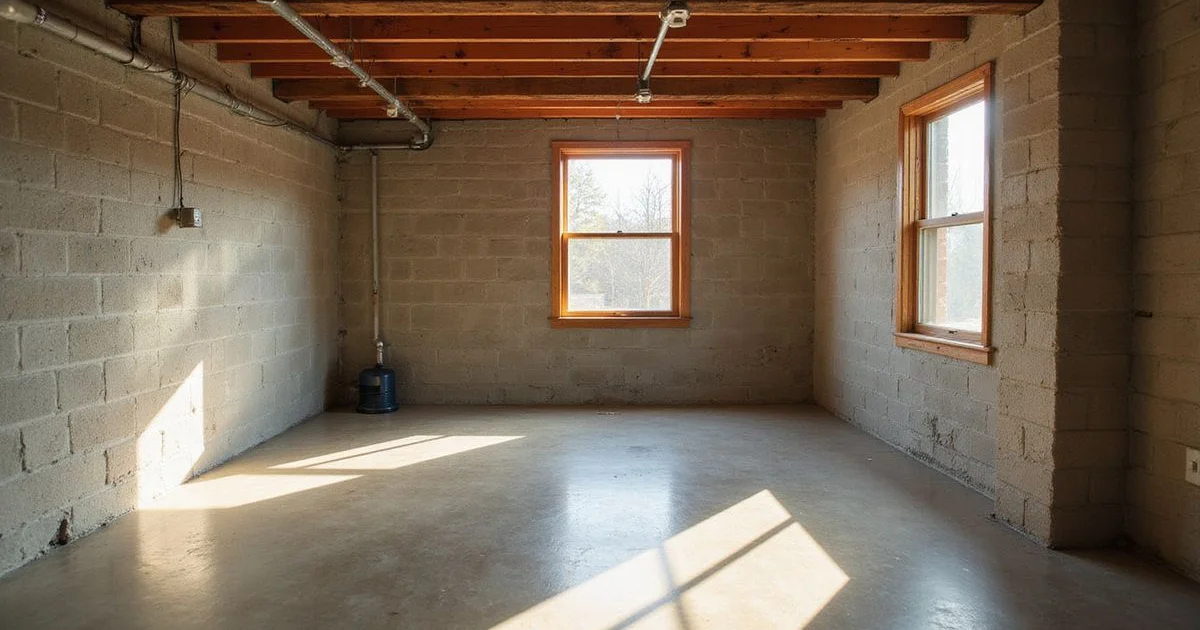
Foundation and Basement Moisture: Fix It or Price It In?
We frequently see homeowners panic when they find basement moisture before listing a house.
The smartest approach usually comes down to simple math, where pricing the known repairs into your list price nets you the highest return. Our comprehensive prep-and-list plan always includes a clear strategy for handling these exact foundation issues.
Mankato foundation problems are common, but they certainly do not have to derail your real estate goals.
Let’s look at the local data, explore your legal duties, and walk through the financial trade-offs of each option.
Common Findings in Older Mankato Homes
Older Mankato homes frequently experience foundation movement due to heavy clay soils and extreme temperature swings. We commonly find settling cracks, bowing walls, and outdated drainage systems in properties built before 1990.
The soil in Southern Minnesota is primarily a heavy silty clay loam that holds a massive amount of water. Our region averages between 50 and 60 freeze-thaw cycles every single winter, which constantly shifts the ground. This combination causes the soil to expand against your foundation walls and then shrink back, creating immense hydrostatic pressure over time.
When evaluating a property, these are the most frequent issues inspectors flag:
- Settling cracks: Hairline fractures in poured concrete are usually harmless signs of normal aging.
- Frost heave damage: The constant freezing and thawing of soil shifts concrete stoops and foundation walls.
- Bowing block walls: Heavy, wet clay soil pushes inward on cinder blocks, which creates a structural hazard.
- Efflorescence: White mineral powder on masonry indicates moisture is slowly passing through the concrete.
- Missing drain tile: Homes built before the 1980s often lack modern interior perimeter drainage systems.
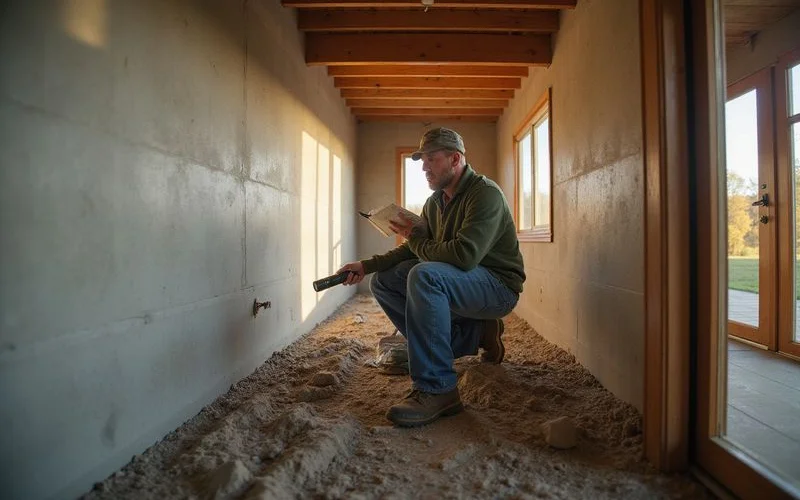
Step 1: Figure Out What You Have
Start by evaluating simple exterior drainage issues, and then hire a licensed professional for any structural concerns. We always recommend getting at least two written estimates to turn a scary unknown into a manageable number.
You can often diagnose minor issues just by walking the perimeter of your house. Check if your gutters are clear, and ensure your soil drops at least six inches over the first ten feet away from the foundation.
For horizontal cracks or actively bowing walls, you need more than a basic contractor. Our preferred route is to hire an independent structural engineer. A residential foundation inspection in Minnesota typically costs between $500 and $1,000 in 2026. This independent report carries immense weight with nervous buyers.
Follow these specific steps to gather the right information:
- Check exterior grading: Confirm that downspouts discharge at least six feet away from the house.
- Track the moisture timing: Note if the basement only gets wet during heavy spring thaws or if it remains constantly damp.
- Hire an engineer: Secure a formal evaluation for any stair-step cracks in block walls.
- Request itemized bids: Get two written estimates from licensed waterproofing companies based on the engineer’s findings.
This written documentation proves you are being proactive and transparent.
Step 2: Know Your Disclosure Duty
Minnesota law requires you to disclose all known material facts about your property before signing a purchase agreement. We advise sellers to document every past leak and repair to avoid expensive legal trouble after closing.
When you sell house with foundation problems minnesota, you are legally bound by Minnesota Statute 513.55. This specific law mandates that you provide a written, good-faith disclosure of any defects that could negatively affect the buyer’s enjoyment of the home.
Our experience shows that hiding a past water issue is never worth the risk. Under Minnesota Statute 513.57, a buyer has up to two years after closing to file a civil lawsuit against you for failing to disclose a known defect.
Always provide complete documentation to your real estate agent, which should include:
- Your formal Minnesota seller disclosure requirements paperwork.
- Itemized past contractor invoices.
- Any transferable warranties from previous waterproofing work.
Step 3: Do the Math
Compare the upfront cost of repairs against the expected price drop if you sell the home in its current condition. We find that pricing the repairs into the listing is usually the most profitable and least stressful route for our clients.
Let’s say your property needs a full interior drain tile system, which currently averages between $10,000 and $25,000 in Minnesota. Spending that money upfront delays your listing by several weeks and drains your cash reserves.
If you provide a clear, $15,000 estimate upfront and price the home accordingly, buyers feel informed rather than tricked.
Here is how the three main strategies break down:
| Strategy | Ideal Scenario | Financial Trade-offs |
|---|---|---|
| Fix before listing | Minor sealing, active standing water, or lender-blocking damage. | Requires out-of-pocket cash and delays your target listing date. |
| Price it in | Large jobs with a clear, written contractor estimate. | Slightly lower list price, but shifts the repair hassle to the buyer. |
| Sell as-is | Major structural failure or an incredibly tight moving deadline. | Attracts cash investors, which typically results in a lower final sale price. |
Severe structural issues create unique financing hurdles. Many traditional lenders will refuse to finance a property with a failing foundation.
If your buyer pool shrinks to cash investors, you need to understand the difference between selling as-is on the MLS vs. to a cash buyer. Our team can help you manage those specific cash offers to ensure you are not leaving equity on the table.
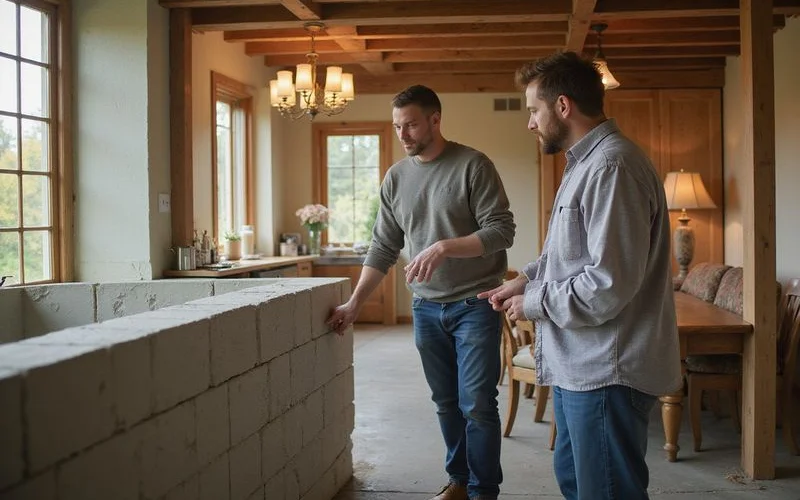
Low-Cost Fixes Worth Doing
Small investments in moisture control can drastically improve a buyer’s perception of your basement. We suggest installing downspout extensions and upgrading your dehumidifier to stop musty odors immediately.
Buyers instantly notice the smell of a damp basement, which often leads to lowball offers. You can solve many superficial moisture issues for under $500.
Our top recommendations for cheap, effective fixes include:
- Run a modern 50-pint dehumidifier: Due to recent Department of Energy rating changes, a modern 50-pint unit removes the same moisture as an older 70-pint model. Buy one with a built-in condensate pump so you never have to empty a bucket.
- Install a sump pump battery backup: Power outages and heavy storms happen simultaneously. Adding a reliable backup unit, like a Zoeller Aquanot 508 or a Wayne combo system, gives buyers immense peace of mind.
- Extend your downspouts: Route all roof runoff at least six feet away from the foundation walls.
- Grade the soil: Pack dirt against the foundation so water naturally flows away from the house.
- Seal minor concrete cracks: Use a high-quality masonry caulk on small, non-structural hairline cracks.
These simple improvements signal to buyers that you proactively maintain the home.
What to Tell Buyers
Full transparency is your strongest negotiating tool when dealing with a wet basement selling house scenario. We always provide buyers with a complete history of the issue alongside professional repair estimates.
Buyers handle known, documented issues significantly better than sudden surprises discovered during their inspection. A surprise defect almost always triggers a renegotiation, and the buyer will likely ask for a larger price cut than the repair actually costs.
Your disclosure packet should clearly outline the following details:
- Exact dates of when you noticed the water and what actions you took.
- Formal reports from a licensed structural engineer.
- Itemized repair bids from local waterproofing contractors.
- Copies of any active, transferable warranties from previous work.
Our strategy is to put the facts on the table immediately. This neutralizes the buyer’s fear and keeps you in control of the final sale price.
Questions to Ask a Foundation or Waterproofing Contractor
You must ask contractors specific questions about the root cause of the damage and their warranty terms. We recommend interviewing two different companies to compare their proposed solutions and pricing.
Not all foundation repairs are created equal, and some companies push expensive interior drains when a simple exterior grading fix would work. You need to gather objective facts to share with potential buyers.
When you have a contractor at your home, demand clear answers to these questions:
- Is this damage active, or has the foundation settling stabilized?
- What are the specific repair options, and what is the exact price for each?
- How long will the repair project take from start to finish?
- Is your warranty fully transferable to the next homeowner?
- Is there a warranty transfer fee, and what is the deadline to file the paperwork after closing?
- Will this specific repair require city building permits?
- Can you provide your findings and the estimate in writing today?
Many buyers are shocked to learn that some waterproofing warranties require a $500 transfer fee within 30 days of the deed transfer. Getting these details upfront prevents deals from falling apart at the closing table.
How Inspectors and Buyers React
A buyer’s home inspector will automatically flag any sign of foundation movement or moisture. We prepare sellers for this reality by having a professional evaluation completed before the house ever hits the market. Home inspectors are trained generalists, so when they spot efflorescence, they will almost certainly recommend a secondary inspection by a structural engineer.
If you wait for the buyer’s inspector to find the problem, the entire real estate transaction stalls. The buyer now controls the timeline while they scramble to get contractors out to the property.
Having your own engineer’s report and two contractor bids sitting on the kitchen counter changes the entire dynamic. The buyer can review the hard numbers immediately, make a confident decision, and proceed with the purchase without unnecessary delays.
A Note on Transferable Warranties
A strong transferable warranty acts as a major selling feature for any property with past water issues. We ensure all warranty documentation is clearly displayed in the listing packet for buyers to review.
Many top-tier local companies, such as SafeBasements in Minnesota, offer lifetime transferable warranties on their drain tile systems and wall anchors. This type of guarantee turns a previously terrifying inspection item into a massive positive for the buyer.
However, you must read the fine print carefully because some companies charge administrative transfer fees ranging from $50 to $500.
Key Warranty Details to Verify
- The Transfer Window: Most companies require the new buyer to submit transfer paperwork within 30 to 60 days of closing.
- Coverage Limits: Check if the warranty covers the entire basement or only the specific wall that was repaired.
- Maintenance Requirements: Some warranties become void if the homeowner fails to schedule annual sump pump maintenance.
Our team highlights these warranties in the MLS description to attract buyers who might otherwise scroll past a home with a history of moisture.
The Bottom Line
Wet basements and foundation cracks are incredibly common in Mankato, but they are entirely manageable with the right data. We help you evaluate the numbers so you can confidently choose the most profitable path forward.
You simply need to gather accurate information, comply with Minnesota disclosure laws, and decide whether fixing the issue or pricing it in makes the most financial sense.
Our team conducts thorough walkthroughs to identify these exact problems early. If you need to sell house with foundation problems minnesota, contact us today to build a strategy that protects your equity and gets your home sold.

Realtor, Listing Agent, Coldwell Banker
Ryan Quade is a licensed Minnesota real estate salesperson with Coldwell Banker who has helped Mankato and South Central Minnesota homeowners sell for 20 years. He writes the Mankato Home Selling Guides on pricing, repairs, cash offers and estate sales for Sell My House Fast Mankato.
Credentials: Licensed Minnesota Real Estate Agent · Coldwell Banker affiliated agent