
Should You Test for Radon Before Selling?
We recommend testing for radon before listing your property because it prevents last-minute contract fall-throughs and gives you total control over the timeline. A proactive radon test before selling a house in Minnesota is a standard step in our prep-and-list plan.
As a team dedicated to helping Mankato and South Central Minnesota homeowners sell for the highest price on their preferred timeline, we understand the nuances of this market. Sellers frequently ask if they should just wait for the buyer to order an inspection.
Waiting puts your final sale price at risk. From what we have seen, getting ahead of the test removes a major source of anxiety.
Let’s look at the data, what it actually tells us about local homes, and explore a few practical ways to respond.
What Is Radon?
Radon is a colorless, odorless radioactive gas that forms from the natural breakdown of uranium in rock and soil. This gas easily enters homes through foundation cracks, open sump pits, and tiny gaps around pipes.
We know that long-term exposure is a leading cause of lung cancer, causing roughly 21,000 deaths nationwide every year. Minnesota geology makes this a bigger issue than in other states, with the average local radon level sitting at 4.2 pCi/L compared to the national average of just 1.3 pCi/L.
What Minnesota Requires of Sellers
Minnesota law does not force homeowners to conduct a test. When handling a radon disclosure minnesota law does require specific forms before the purchase agreement is signed, under Minn. Stat. 144.496.
We always ensure our clients are fully compliant with these state rules. Sellers must disclose:
- Whether a radon test has occurred on the property
- The most current test results and laboratory records
- Details about any installed mitigation system and how it works
You must also provide a state-mandated radon warning statement and a copy of the Minnesota Department of Health publication titled “Radon in Real Estate Transactions.” See the Minnesota seller disclosure requirements for the complete, updated list.
Pros and Cons of Testing Before Listing
Testing before you list puts you in the driver’s seat during negotiations. You completely avoid a scenario where a buyer demands an expensive repair just days before closing.
We see about 40 percent of Minnesota homes testing at elevated levels right now. Getting ahead of those odds is smart financial planning.
| Testing first | Not testing first |
|---|---|
| No surprises during the buyer’s inspection period | Nothing new to disclose |
| Time to install mitigation on your schedule | Buyer may test and ask for mitigation or a credit |
| Can show buyers a low result or a working system | Negotiation happens under contract deadlines |
| Must disclose the result, even if high | Less control over timing |
Many sellers test early because it removes a common reason for contract renegotiations. If the result is low, it becomes a strong selling point for cautious buyers.
We always point out that if the number comes back high, you can mitigate it cheaply or plan a credit before buyers are ever under contract.
Understanding Results
The Environmental Protection Agency recommends fixing homes that test at or above 4.0 pCi/L. Public health experts at the World Health Organization set a stricter guideline, recommending mitigation when levels reach 2.7 pCi/L.
We explain these two benchmarks to our sellers so they clearly understand a buyer’s perspective. Short-term tests run for 2 to 7 days in the lowest lived-in level of the house, which fits perfectly with the fast pace of a real estate sale.
Long-term tests run 90 days or more to show a highly accurate yearly average, but they are usually too slow for a transaction.
Mitigation as a Negotiation Item
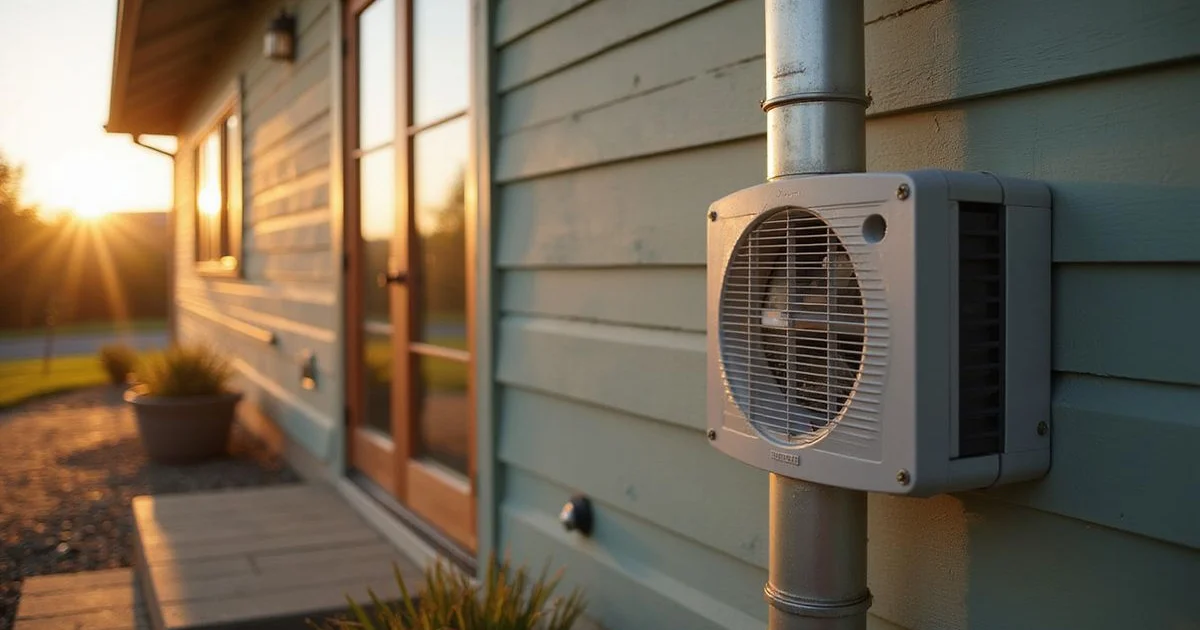
Mitigation immediately becomes a negotiation point if your home tests high. A typical system uses a fan and PVC pipe to draw radon from beneath the foundation and vent it safely outside.
We find that the average radon mitigation cost minnesota homeowners pay usually ranges between $1,500 and $2,500. Homes built on crawlspaces generally fall on the higher end of that price scale. Options for sellers include:
- Install before listing: Buyers see a fully working system and a clean post-mitigation test result.
- Offer a credit: The buyer arranges their own installation after closing.
- Negotiate after the buyer’s test: Install the system before closing or adjust the final sale price.
Who actually pays for the system is always negotiable. A system already in place, complete with a recent low test, acts as a surprisingly strong selling point.
Testing Tips for Sellers
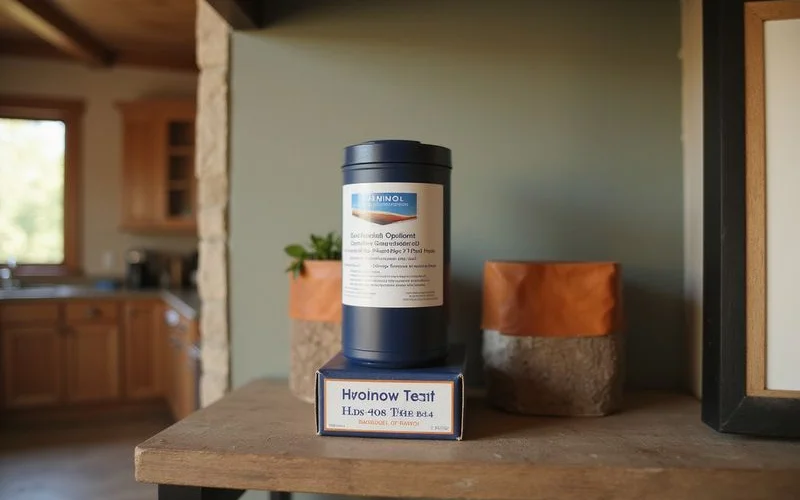
Using an accurate test kit ensures your results hold up during buyer scrutiny. The Minnesota Department of Health recommends using certified kits, such as Air Chek, which even offers a discount to state residents.
We advise sellers to strictly follow the testing protocols to avoid skewed data. Simple mistakes can easily trigger a false positive.
- Use a certified tester or a proven laboratory kit
- Maintain closed-house conditions for the entire testing period
- Place the device exactly where the instructions dictate, usually the lowest lived-in level
- Save the final laboratory report for your disclosure paperwork
If You Already Have a Mitigation System
A working mitigation system is a major asset, provided you can prove it functions correctly. Buyers and home inspectors will absolutely check the U-tube manometer located on the side of the PVC pipe.
We remind sellers that the colored liquid inside this gauge must be uneven. One side should sit higher than the other, usually showing between 0.5 and 1.5 inches of water column for a typical gravel sub-slab.
Equal liquid levels mean the fan is turned off or completely broken. Gather your original installation records, warranty paperwork, and any post-mitigation test results to easily show the buyer.
What Buyers Usually Do
Most buyers in our local market order a short-term radon test alongside their general home inspection. If the result crosses the 4.0 pCi/L threshold, they will almost always request a permanent fix.
We see buyers typically ask the seller to resolve the issue in one of three ways:
- Install a complete mitigation system before closing
- Offer a direct cash credit toward closing costs
- Lower the final purchase price to cover the future installation
Knowing your exact level in advance lets you decide how to handle the situation before you hit tight contract deadlines. Some buyers plan to install a system themselves and ask for very little.
Mitigation Basics
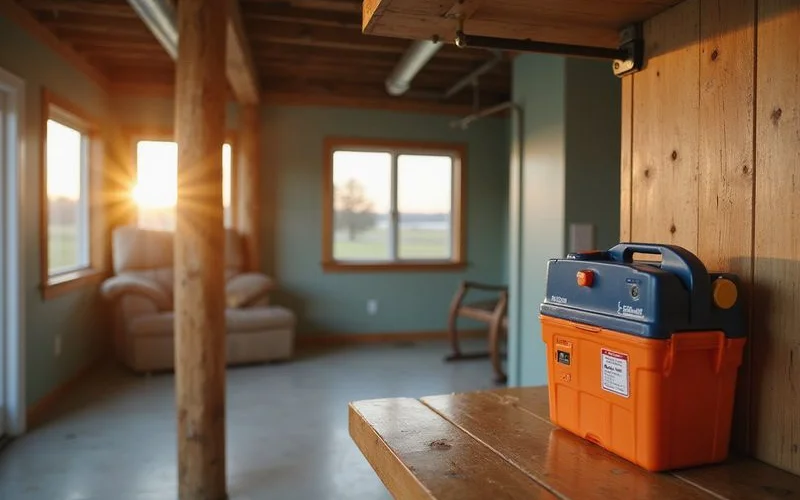
Mitigation systems typically rely on active sub-slab depressurization to pull harmful gas away from your living space. A licensed contractor drills into the basement slab, installs a plastic pipe, and connects a specialized fan that runs continuously above the roofline.
We tell clients that this installation usually takes just one single day. A follow-up test is always required to confirm the system is actively reducing the gas levels.
These specialized fans cost about $14 a year in electricity and run roughly $200 to $350 to replace if they fail. Keep the installer’s paperwork, the equipment warranty, and the post-mitigation test for your buyer.
Testing and Showings
Running a short-term test requires keeping your windows and outside doors closed for several days. This rule strictly applies even when prospective buyers are actively walking through the house.
We highly suggest scheduling your test before the listing goes live on the open market. Interrupting the process by opening windows to air out the house will instantly invalidate the laboratory results.
Radon and Older Homes
Older homes frequently have dirt crawlspaces or stone foundations that easily let soil gas indoors. Age is not the only factor, as newer homes can easily trap high levels of gas too.
We know that Minnesota building codes required passive radon resistant new construction for homes built after June 2009. These newer homes already have the piping, making it much cheaper to simply add an active fan.
Homes built before 2009 lack this built-in piping, making retrofitting slightly more involved. Your home’s specific risk depends on several independent variables:
- Local geographic location and soil density
- The specific construction style of your foundation
- The presence of open sump pits or unsealed drains
Testing remains the only reliable way to know your actual risk level.
The Bottom Line
Testing for radon gives you a strategic advantage, even though the state only legally mandates a paper disclosure. Knowing your numbers allows you to schedule repairs on your own terms and protect your equity.
We recommend ordering a test early to keep your eventual transaction running smoothly.
Ryan’s walkthrough includes radon on the checklist, so you can decide early whether to test, mitigate, or plan for a financial credit. Reach out today to schedule your walkthrough and get your home ready for the market.

Realtor, Listing Agent, Coldwell Banker
Ryan Quade is a licensed Minnesota real estate salesperson with Coldwell Banker who has helped Mankato and South Central Minnesota homeowners sell for 20 years. He writes the Mankato Home Selling Guides on pricing, repairs, cash offers and estate sales for Sell My House Fast Mankato.
Credentials: Licensed Minnesota Real Estate Agent · Coldwell Banker affiliated agent