
The Three Lists
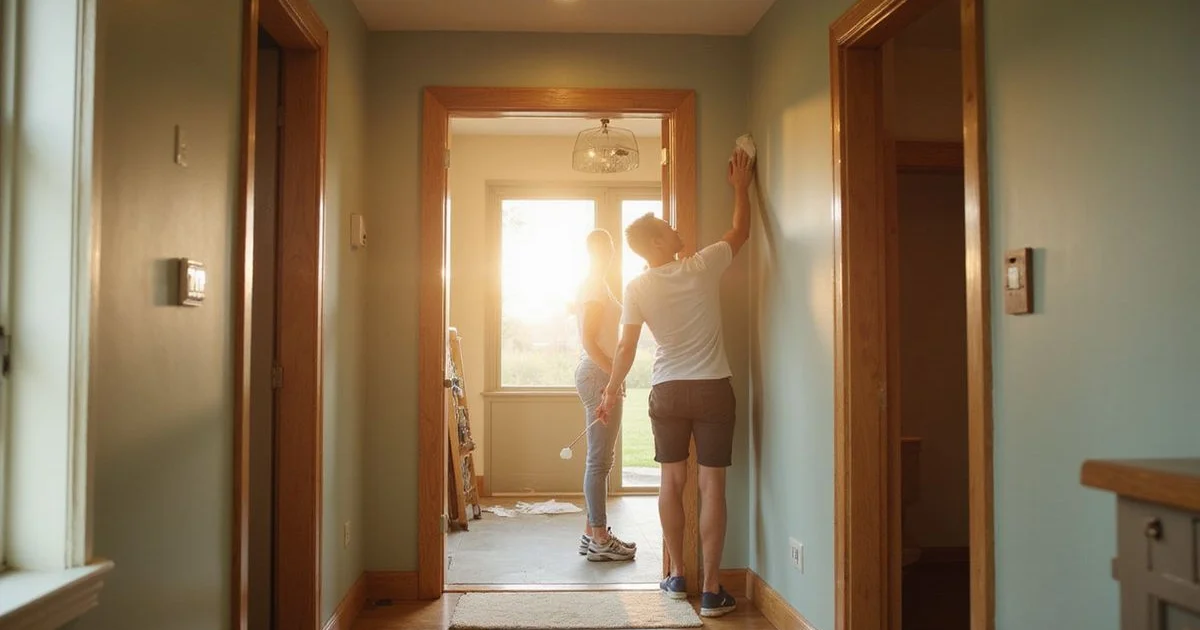
Every successful sale starts with sorting potential projects into three distinct categories. You need to separate the high-return cosmetic tweaks from the massive renovations that drain your equity.
We categorize every potential repair during a Prep-and-List Plan walkthrough to keep your budget on track. This simple sorting exercise prevents emotional spending and focuses your efforts on what actually generates a return.
- Do before listing: These are low-cost items buyers notice immediately in listing photos and during showings. This category also includes critical safety and inspection items likely to cause financing problems.
- Price it in: Bigger mechanical or structural items belong here. Buyers would rather choose the contractor for a major fix, or the cost is better reflected in the asking price or a seller credit.
- Skip: These are projects that cost more than they return. They take too long to finish or reflect your personal taste instead of the broader market preferences.
Do Before Listing: Low-Cost Fixes Buyers Notice
The best pre-listing projects focus on visual impact and basic functionality. You want buyers to feel like the home is well-maintained the second they pull into the driveway.
Our data shows that simple cosmetic updates provide the highest return on your cash. Zonda’s 2026 Cost vs. Value report proves this, noting that simple curb appeal projects like a new steel entry door can yield a 216 percent return.
- Paint. Neutral paint in living areas and high-wear spots is essential. Colors like Sherwin Williams Alabaster or Agreeable Gray appeal to the widest range of buyers.
- Lighting and small repairs. Replace burned-out bulbs, update dated fixtures, and fix dripping faucets, running toilets, sticky doors, and torn screens.
- Caulk and grout. Fresh caulk in baths and kitchens makes the whole room look clean.
- Safety items. Install fresh smoke and carbon monoxide alarms, secure handrails, and cap exposed wiring.
- Curb appeal. Trim overgrown shrubs, sweep the walk, and wash the front door.
- Deep clean and declutter. The cheapest improvement there is, yet it drastically changes a buyer’s perception.

Price It In: Bigger Items
Major structural and mechanical components should usually be priced into the home rather than replaced before listing. Buyers appreciate transparency, and a credit allows them to select their own equipment and warranty.
We always recommend securing a written contractor estimate for these big-ticket items. A formal quote anchors the negotiation and prevents buyers from asking for inflated discounts based on their own guesses.
- Roof with only a few years of life left.
- Original windows that are drafty but functional.
- Furnace or water heater near the end of its typical 15 to 20-year lifespan.
- Dated kitchens and baths that require a full gut.
- Foundation or drainage work, accompanied by a professional contractor estimate.
- Older wiring or plumbing, documented by a licensed electrician or plumber.
For these larger issues, providing a paper trail helps buyers see the real cost. See the article on foundation and basement moisture: fix it or price it in? for a prime example of how to handle this strategy.
Skip: Projects That Rarely Pay
Major renovations rarely pay off if you’re selling within 90 days. Learning what not to fix when selling a house is just as important as knowing what to repair. You’ll spend months managing contractors only to get a fraction of your money back at the closing table.
Our experience in the Mankato market aligns with national data on major remodels. Remodeling Magazine’s 2026 data shows that a major upscale kitchen remodel only recoups about 36 percent of its cost.
- Full kitchen or bath remodels.
- New flooring throughout the entire house.
- Additions or major layout changes.
- Bold design choices or highly personalized fixtures.
- High-end upgrades in a modest starter-home price range.
- Large landscaping projects, especially those attempted during a Minnesota winter.
What Buyers Care About Most
Buyers and home inspectors focus heavily on the structural and mechanical health of the property. Cosmetic items affect first impressions, but the major systems dictate whether the deal actually closes.
We tell sellers to view their home through the eyes of an inspector. The following five categories matter most because they directly impact safety, insurability, and future repair costs.
| Category | Why it matters |
|---|---|
| Roof | A new asphalt roof averages $14,000 to $22,000 in Minnesota. Old roofs often cause insurance companies to deny coverage. |
| Mechanicals | Furnace, AC, and water heater age directly affect the buyer’s future budget. |
| Water | Active leaks, basement moisture, and poor exterior drainage scare buyers away quickly. |
| Safety | Electrical hazards, missing alarms, and loose railings can halt FHA or VA loans. |
| Structure | Foundation cracks and framing issues require specialized, expensive repairs. |
Cosmetic updates get buyers through the front door. These five structural categories get them to the closing table.
Inspection-Driven Items in Older Homes
Older homes frequently trigger specific inspection flags that you must anticipate. In older Mankato homes, inspectors routinely call out knob-and-tube wiring, galvanized plumbing, missing GFCI outlets, basement moisture, and radon gas.
Our standard practice is to evaluate these risks early so you can decide calmly. The Minnesota Department of Health reports that two in five homes in the state have high radon levels above the 4.0 pCi/L action level. Knowing about these common regional issues before listing lets you fix the simple ones, document the bigger ones, and disclose exactly what you know.

A Sample Walkthrough Result
A practical walkthrough list focuses on high-impact tweaks rather than massive overhauls. Here’s what a typical repair plan might look like for a 1970s Mankato split-level home preparing for the market.
We help sellers build a clear, actionable table just like this one. Total out-of-pocket costs for the “do” list might only be a few thousand dollars, mostly covering fresh paint and minor plumbing fixes.
| Do before listing | Price it in | Skip |
|---|---|---|
| Paint main level and lower family room | 20-year-old roof with a few years left | Full kitchen remodel |
| Replace two dated light fixtures | Original 1970s windows | New flooring throughout |
| Fix dripping tub faucet | Older water heater that still works | Finishing unfinished storage |
| Add CO alarm near bedrooms | Lower-level egress window installation | Backyard landscaping overhaul |
| Clean gutters and extend downspouts |
This targeted approach protects your equity. You spend just enough to make the home shine without over-improving for the neighborhood.
Credits vs. Repairs After Inspection
When a buyer’s inspection uncovers a defect, you have the option to repair the item, offer a financial credit, lower the purchase price, or decline the request. Offering a credit at closing is usually the smartest path for a seller.
Our negotiation strategy heavily favors credits because it removes the burden of managing contractors right before you move. The buyer gets to choose their preferred contractor, and you avoid being blamed if the rushed repair work fails a month after closing.
How Price Range Changes the List
What makes sense to fix depends heavily on your specific price point and the current neighborhood competition. A starter home requires a different preparation strategy than a luxury property.
We adjust the required repairs based on who is most likely to buy the house.
- Starter homes: Buyers are stretching to afford a down payment and may have little cash left for immediate repairs. Fixing basic safety and function items can drastically widen your buyer pool. This is especially true for buyers using FHA or VA loans, which strictly require intact paint and secure handrails.
- Mid-range family homes: Buyers in this bracket compare finishes and condition closely against the competition. Fresh paint, modern lighting, and a clean, uncluttered layout matter a lot.
- Higher-end homes: Buyers expect updated kitchens and baths at top price points. If yours is dated, pricing it in is usually smarter than attempting a rushed remodel, but the daily presentation and cleanliness need to be absolutely flawless.
Seasonal Timing
The Minnesota climate dictates when certain repairs can physically happen. Exterior paint, roofing replacements, gutter work, and landscaping are best completed before the winter frost sets in.
Our team advises sellers to plan their contractor schedules months in advance. If you’re planning a spring listing, you need to book your contractors in January or February. Spring schedules fill up incredibly quickly, and you don’t want a delayed roof repair to push back your listing date.
Using Contractor Estimates
Written estimates protect your equity when dealing with major flaws. For anything on your price-it-in list, secure a formal bid from a licensed local contractor and share it directly with buyers.
We find that buyers drastically overestimate the cost of repairs when left to guess. A $16,000 estimate for a new asphalt roof is much easier to negotiate around than a buyer’s panicked assumption that a roof costs $30,000. These estimates also help you decide whether a smaller repair is actually worth doing yourself.
Don’t Forget the Paperwork
A documented history of maintenance proves to a buyer that the home was cared for. Gather all receipts, permits, and warranties for past work, including the roof, furnace, water heater, windows, waterproofing, and radon mitigation systems.
Our sellers always provide a simple, one-page list of updates with dates. This document helps buyers understand exactly what they’re getting and makes your property stand out from competing homes in your price range.
Why Big Remodels Rarely Pay Back
A brand-new kitchen can look like the obvious way to boost a sale price, but the financial math usually works against sellers. Homeowners often ask, do updates raise home value? The answer is yes, but only if you choose the right ones.
Remodels take weeks to complete, frequently run over budget, and reflect one person’s specific taste. We regularly see sellers lose money on major remodels because buyers rarely pay the full cost of the project.
If a buyer dislikes the granite color you chose, they won’t pay a premium for it. According to the 2026 Cost vs. Value report, a minor kitchen refresh keeping the existing cabinet boxes yields over a 100 percent return, while a major gut renovation loses money. A clean, bright, well-maintained kitchen with fresh paint and updated lighting delivers the best benefit for a fraction of the cost.
The Bottom Line
Most homes need a short, focused list of tasks rather than a massive remodel. Figuring out the repairs worth making before selling a house protects your equity and saves you time. Fix the obvious cosmetic items that buyers notice, address the safety hazards that inspectors flag, and price in the big mechanical items using real estimates.
Our free walkthrough provides you with your specific three lists to maximize your sale price. This service helps Mankato and South Central Minnesota homeowners prioritize these tasks and provides reliable local contractor referrals for the short list. Reach out today to schedule a walkthrough and start planning a profitable sale.

Realtor, Listing Agent, Coldwell Banker
Ryan Quade is a licensed Minnesota real estate salesperson with Coldwell Banker who has helped Mankato and South Central Minnesota homeowners sell for 20 years. He writes the Mankato Home Selling Guides on pricing, repairs, cash offers and estate sales for Sell My House Fast Mankato.
Credentials: Licensed Minnesota Real Estate Agent · Coldwell Banker affiliated agent